Group size and how much time your friends have decide which of these 5 exchanges fits, and the range is wide: a chocolate swap is one aisle of shopping with no craft skill, while handmade gifts ask for extra time and a separate materials budget.
A flat price cap set before invitations go out keeps any of them fair.
With fewer than 6 players, a White Elephant swap runs out of gifts worth stealing fast, so a small group is better off with a simple name draw.
1. Pass the Gift
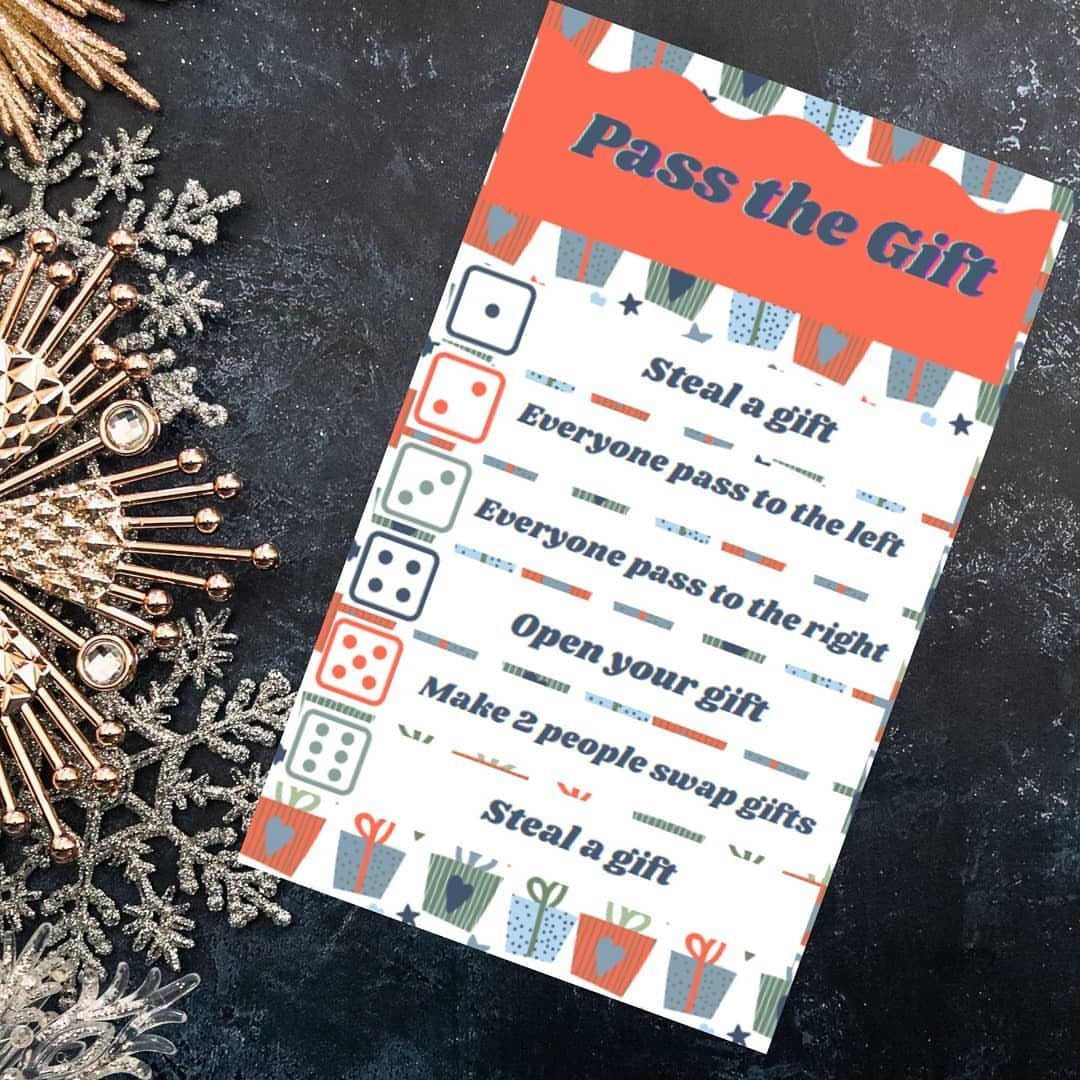
Dice decide everything in this game, so the printed card does most of the hosting for you. Print one rules sheet, set it by the pile of wrapped gifts, and let the rolls send presents from hand to hand.
Every guest brings one wrapped gift, so agree on a price cap before invitations go out. A flat limit keeps the final swap from feeling lopsided.
I like it best for groups that already talk over each other, since the game gives them something to laugh at. Keep one die per table so rounds move quickly.
2. Handmade Gifts Exchange
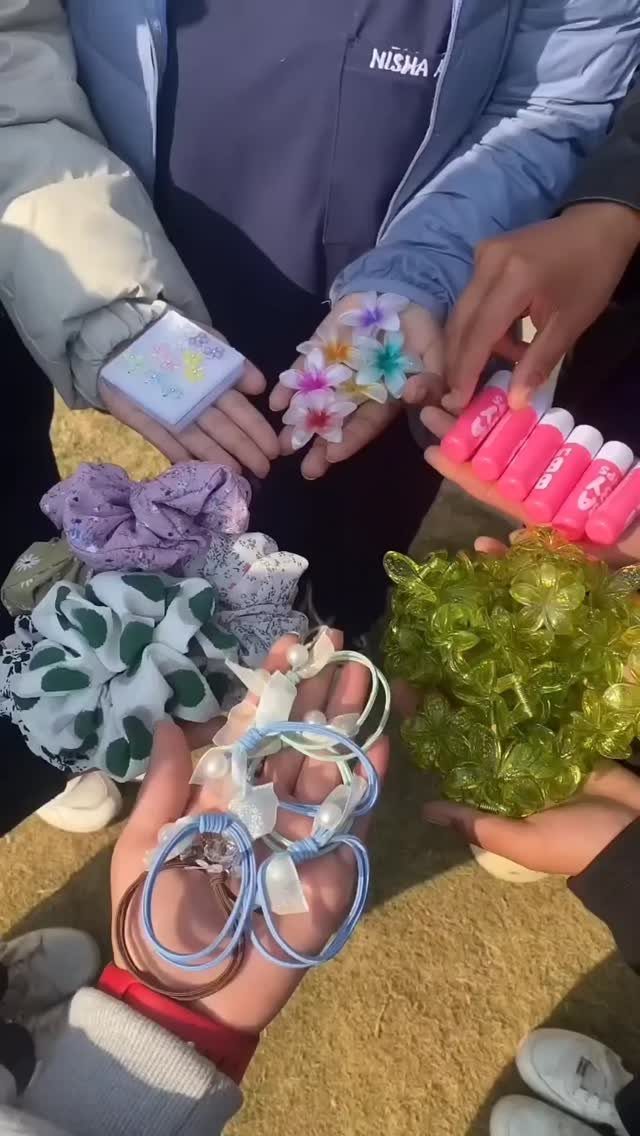
Set a theme or a type of item, such as accessories, so nobody shows up with a knitted blanket while another guest brings a hair tie.
Decide a materials budget up front, because supplies are the real cost here. Fabric scraps and loose beads stretch a long way, which suits a small group.
Handmade does ask for time. If your friends are busy, give them extra time to finish, and have everyone sign a tag so each gift reads as personal.
3. Chocolate Gift Exchange
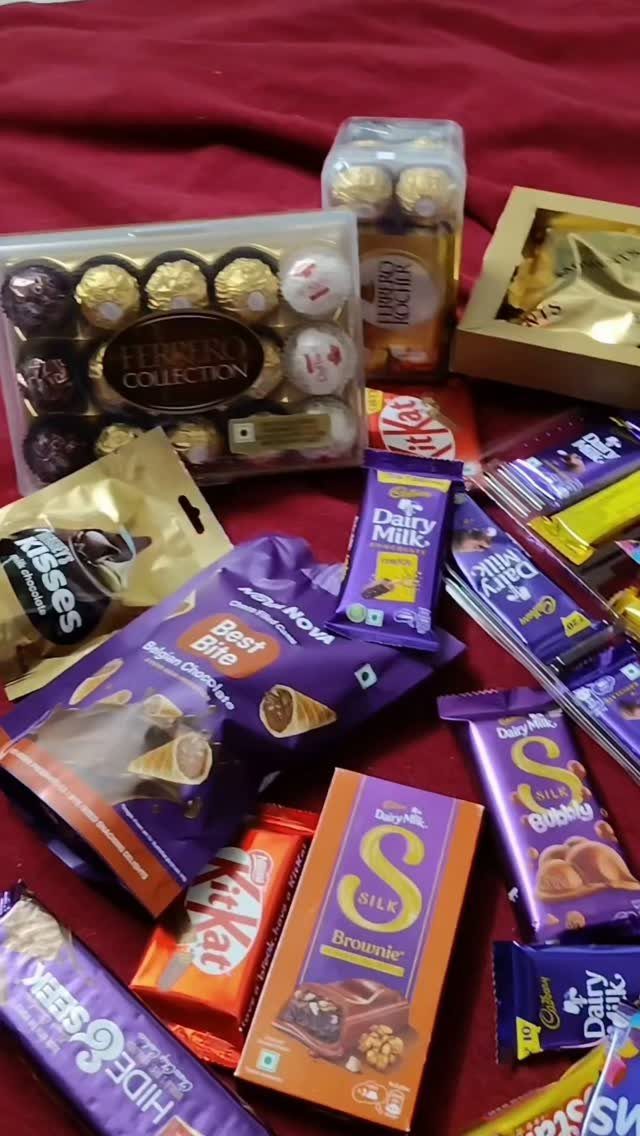
Candy bars, boxed candies and foil-wrapped favorites like Hershey’s Kisses make the easiest exchange you can run. Everyone shops in one aisle and nobody needs a craft skill.
Set a spending limit and ask each guest to bring a mix of two or three kinds, so the gift feels chosen and not grabbed at checkout. I would pair one boxed treat with a couple of bars.
Chocolate is cheap to scale up for a larger group. Ask about allergies first, since nuts show up in many candies.
4. Gift Basket Exchange
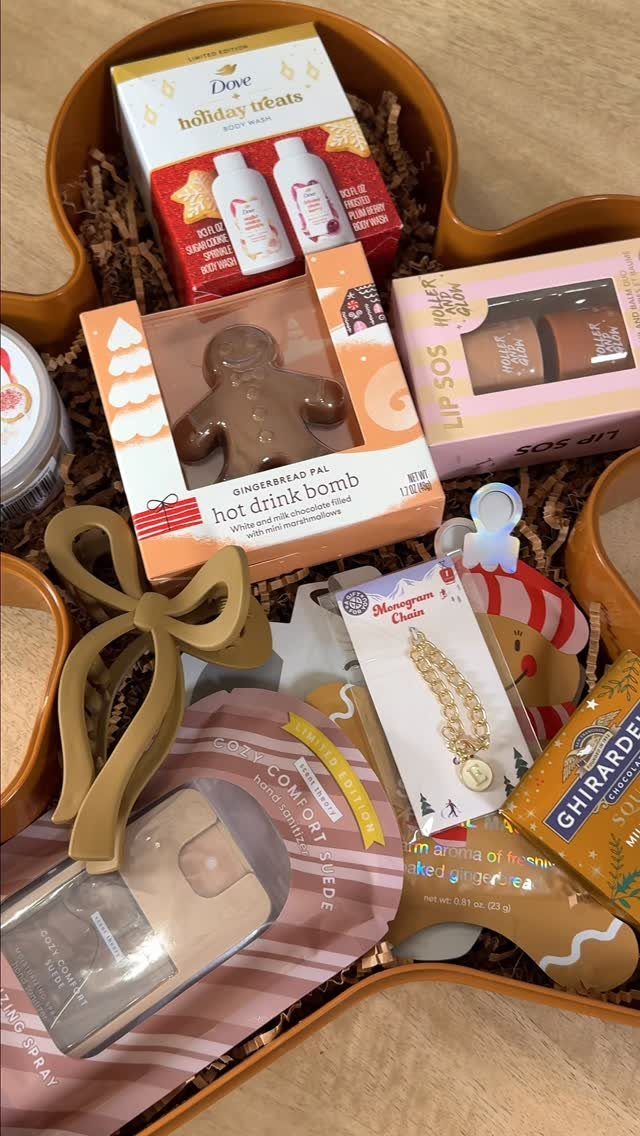
The maker of this one used the $5.88 Christmas containers from Walmart, a cheap base that leaves most of your budget for what goes inside. They built a gingerbread theme for a cousin secret santa swap.
Pick a theme first, since it keeps a mixed pile of items from looking random. Buy the container first so you can fit everything.
5. Pet Treat Exchange
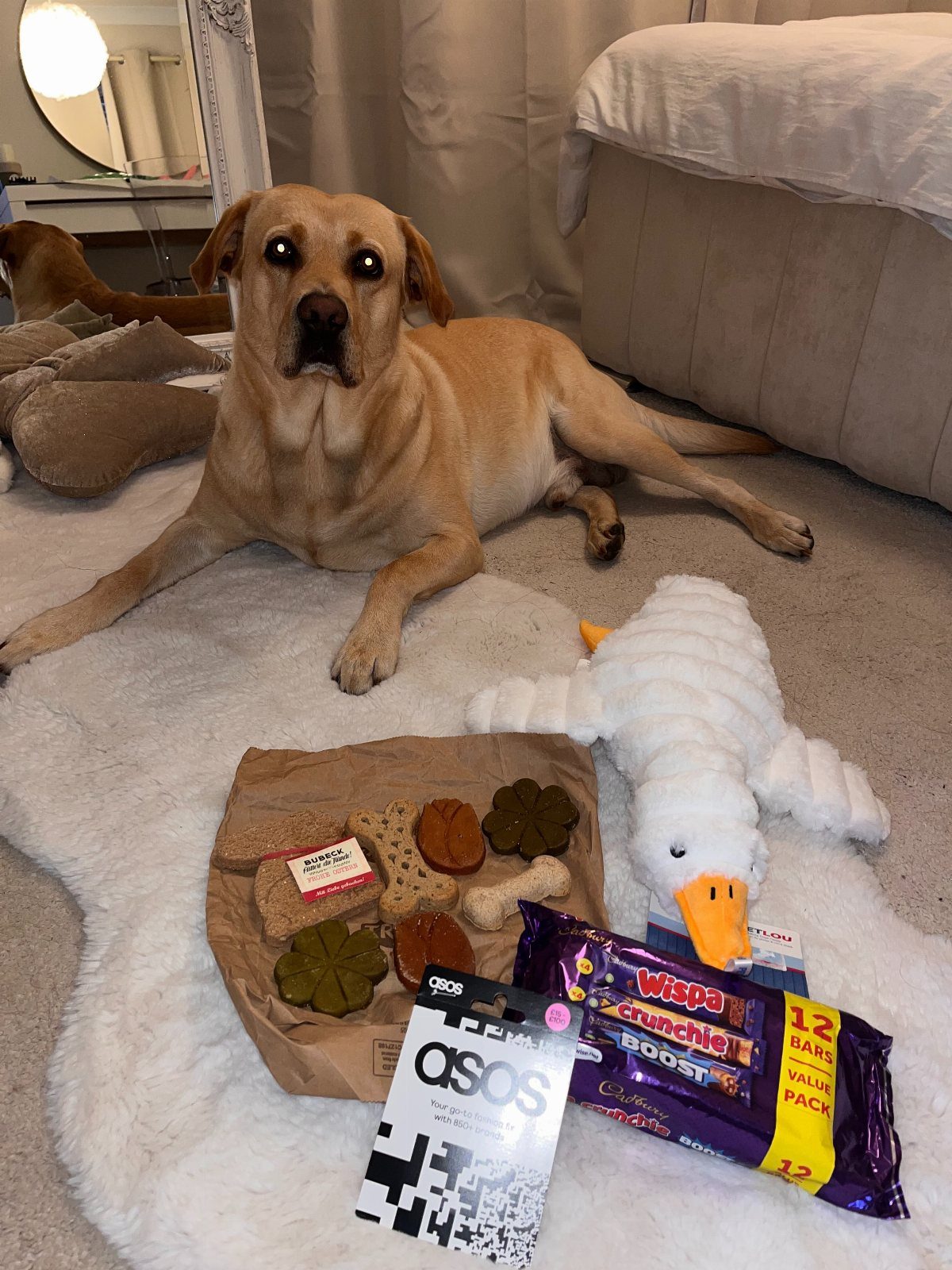
A dog is a legitimate gift recipient here: treats, a plush duck and some gift cards turn the exchange into something for the animals. A yellow Lab on a rug is happy with all of it.
Ask guests to name their pet and note any food restrictions before anyone shops. Treats are the one item where a wrong pick can upset a stomach.
Chocolate belongs to the human side of the swap, so keep it for the owner and never share it with the dog. Add a small bar to the bag as a gift for the person.
Setting a Budget for Gifts
Settle the spending limit before anyone buys, and put it in the invitation so nobody has to ask. A single number that applies to everyone keeps the swap fair and keeps the cost per guest predictable for you as host.
Pick the cap with your quietest guest in mind. If one friend is stretched thin this month, a lower limit protects them better than a generous one ever will.
Say whether tax and shipping count toward the cap. That one sentence heads off most of the arguments.
Choosing a Theme for Exchanges
A theme gives guests a direction, and it shrinks the shopping list from "anything" to a short aisle. Choose one that fits your group’s actual habits, not a trend.
Some themes that work for friends: craft and art supplies, fan memorabilia from a favorite show, movie or game, self-care items like bath salts, makeup and nail polish, homemade produce, flowers, seeds or preserves, and clothing or fashion accessories.
Kids’ toys can work too if your friends have little ones.
Wine, beer and spirits suit an adults-only crowd, though I would check that everyone drinks before choosing it.
I lean toward the narrower themes. "Fan memorabilia" gives people more to hunt for than a broad "sweet treats" rule.
Planning for Small Groups
Group size changes which exchange will work. White Elephant needs about 6 players to work, because with fewer people the pile of gifts stays small and there is little worth stealing.
With a handful of guests, the swap can also end before the party gets going. Pick a format built for a small circle, or add a second round so everyone gets more turns.
For a very small group, I would skip stealing and try a simple draw or a gift that is matched to one person. Everyone then gets a gift chosen for them, and nobody leaves with a leftover.
Frequently Asked Questions
What’s a good swap gift?
For a swap, chocolate wins: a few full-size bars, one boxed treat and a handful of foil-wrapped Hershey’s Kisses cover every taste.
It all happens in the candy aisle, so no one has to be crafty to join in. Each guest could bring 2 or 3 varieties so the gift feels picked out, and a quick nut allergy check beforehand saves trouble.
What is the 7-gift Rule?
It suggests giving 7 gifts, each based on a category such as something they want, need, wear and read.
It’s a personal gifting idea, not a swap format, so a friends’ exchange usually runs on a single gift under one spending cap instead.
What to gift to a new friend?
Choose something personal that reflects their interests or an experience you’ve shared.
With someone new, I’d go themed: a bit of merch from a show, movie or game they like, or something calming such as bath salts. Keep it modest so it doesn’t feel heavy for a newer friendship.